The Challenge of the Green Vegetable
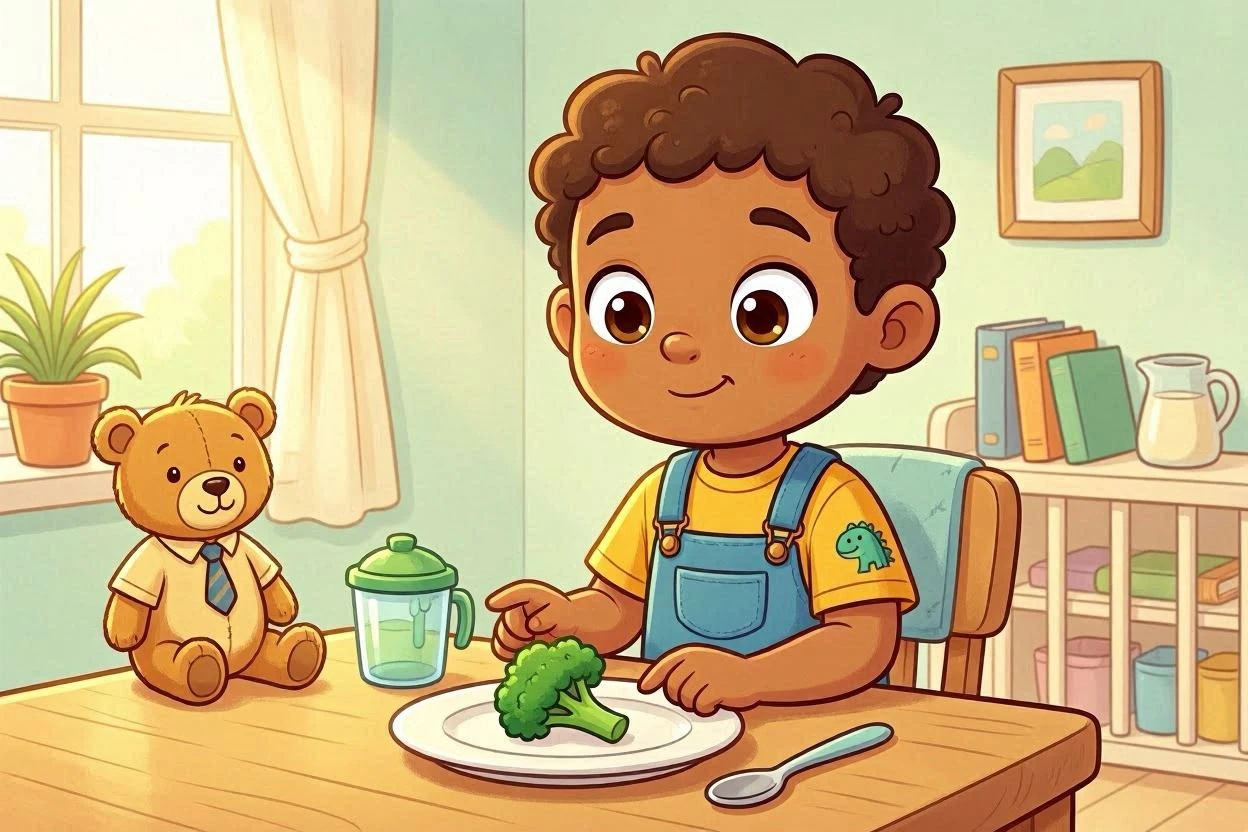
Convincing a child to eat green vegetables is a tale as old as time, a universal struggle that unites parents across the globe. There is an evolutionary reason behind this common aversion; children have a heightened sensitivity to bitter flavors, which are often present in leafy greens and cruciferous vegetables like broccoli and Brussels sprouts. In nature, bitterness can sometimes signal toxicity, so a child's natural reluctance to eat these foods is an ancient survival mechanism at play. Understanding this biological reality can help parents approach the vegetable challenge with much more empathy and creativity, rather than frustration. The key is not to force the issue, but to cleverly transform these nutritional powerhouses into appealing, delicious, and exciting culinary experiences that completely bypass their initial skepticism.
The Power of Roasting and Flavor
One of the most transformative techniques in the kitchen is the simple act of roasting vegetables. Boiling or steaming can often enhance the bitter notes and result in a mushy texture that children universally dislike. Roasting, on the other hand, works absolute magic. By tossing vegetables like broccoli florets, asparagus spears, or green beans in a little olive oil and roasting them in a hot oven, you caramelize their natural sugars. This process creates a delightful sweetness and a satisfying, crispy texture that completely changes the flavor profile. Adding familiar and beloved flavors is another excellent strategy. A sprinkle of parmesan cheese, a tiny drizzle of honey, or a light dusting of garlic powder can make a world of difference. When vegetables taste savory, slightly sweet, and wonderfully crunchy, they suddenly become much more appealing to a developing palate.
Creative Presentation and Playfulness
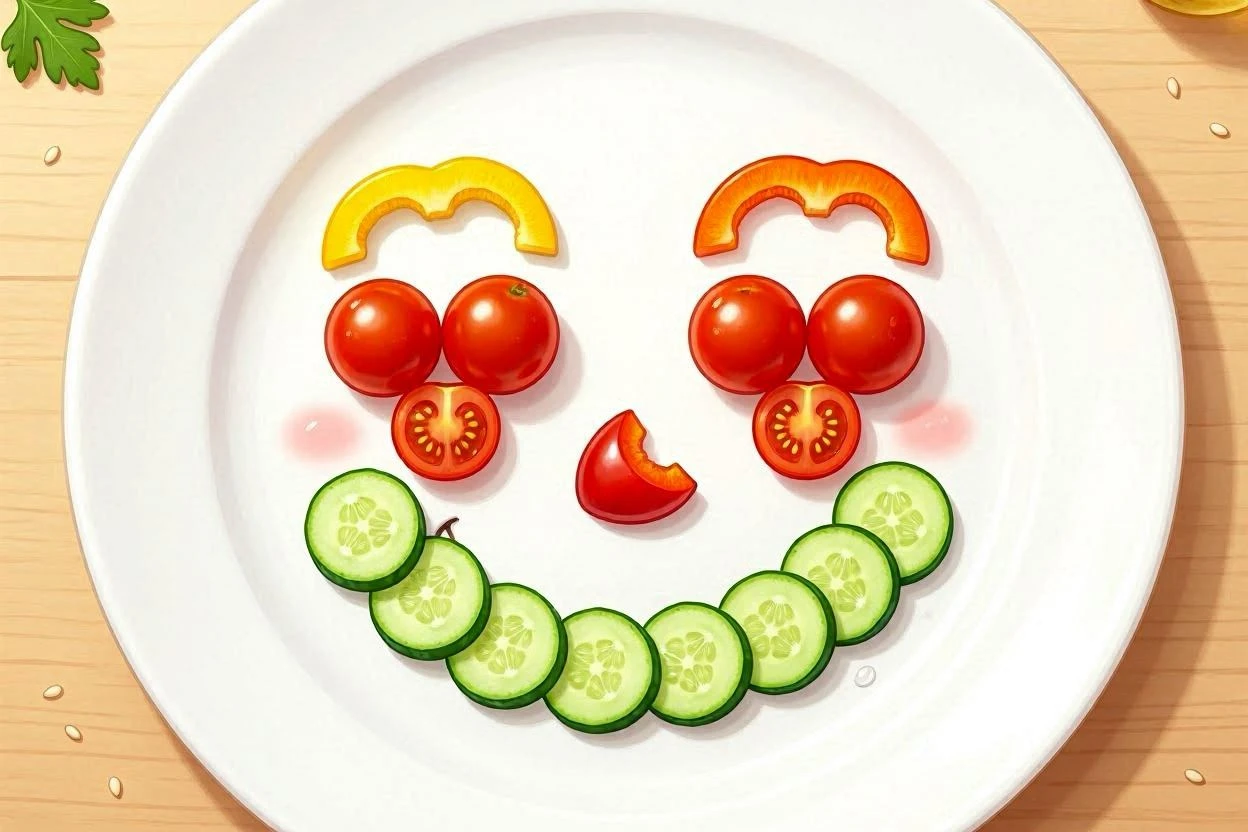
Presentation matters immensely when it comes to feeding children. A plain pile of spinach is rarely inviting, but incorporating vegetables into visually fun and creative formats can completely alter a child's perception. Try cutting cucumbers or zucchini into fun shapes using small cookie cutters. Create vibrant, colorful skewers with alternating pieces of cherry tomatoes, bell peppers, and snap peas. Food that looks like a rainbow or a fun pattern is inherently more exciting to eat. Dips are also an incredibly powerful tool. Children love the interactive nature of dipping their food. Serving crisp, raw vegetables alongside a delicious, creamy ranch dressing, a smooth hummus, or a mild yogurt dip gives them control over the flavor and adds an element of active play to the meal, making the vegetables merely the vehicle for the tasty dip they already enjoy.
Involving Kids in the Process
Perhaps the most effective way to make vegetables exciting is to involve your children in the entire process, from the garden to the dinner table. If you have the space, growing a small vegetable garden or even just a few potted herbs can spark immense curiosity. Watching a tiny seed grow into a bright red tomato or a crisp green bean gives them a sense of pride and connection to the food. If gardening is not possible, take them to the local farmer's market or the produce aisle and let them pick out one new vegetable to try each week. In the kitchen, assign them age appropriate tasks like washing the greens, snapping the ends off the beans, or tossing the salad. When children have a hand in creating the meal, they are exponentially more likely to be excited about tasting the final product, turning a dreaded vegetable into a proud accomplishment.