The Exciting Milestone of Starting Solids
The transition from a purely milk based diet to introducing solid foods is an incredibly exciting and monumental milestone in your baby's first year of life. This new chapter opens up a vibrant world of flavors, textures, and essential nutrients that will support their rapid growth and development. Knowing exactly when to begin is the first step; most pediatric experts recommend looking for signs of readiness around six months of age. These signs include the ability to sit up independently, good head and neck control, and a clear interest in the food you are eating. When these signs align, it is time to embark on this messy, joyful culinary journey. Choosing the right first foods can feel overwhelming given the abundance of advice available, but focusing on single ingredient, nutrient dense options is the absolute best approach to take.
Nutrient Dense First Choices
When selecting those initial foods, prioritizing iron rich options is incredibly important, as the natural iron stores babies are born with begin to deplete around the six month mark. Iron fortified infant cereals, such as oatmeal or brown rice, are classic and safe choices when mixed with breastmilk or formula. Pureed meats, although sometimes overlooked as a first food, are actually excellent sources of easily absorbable iron and zinc. Vegetables and fruits should also take center stage early on. Sweet potatoes are a universal favorite because of their naturally sweet flavor and incredibly smooth, creamy texture when baked and pureed. They are absolutely packed with vitamin A and dietary fiber. Avocados are another perfect first food; they require no cooking, mash effortlessly, and provide a wonderful source of healthy fats that are crucial for brain development.
Introducing Textures Safely
As your baby becomes comfortable with thin purees, it is vital to gradually introduce thicker textures and even soft, safe finger foods if you are following a baby led weaning approach. Ripe bananas are fantastic for this transition. They can be mashed slightly thicker or cut into large, manageable spears for little hands to grasp. Bananas are gentle on the digestive system and provide essential potassium. Cooked apples or pears, steamed until they are completely soft and easily mashable between your fingers, offer a wonderful introduction to new flavors while remaining extremely safe. It is always best to introduce one new food at a time, waiting a few days before introducing another. This careful, methodical approach allows you to easily identify any potential food allergies or sensitivities while giving your baby time to process and accept each unique new taste.
Fostering a Positive Experience
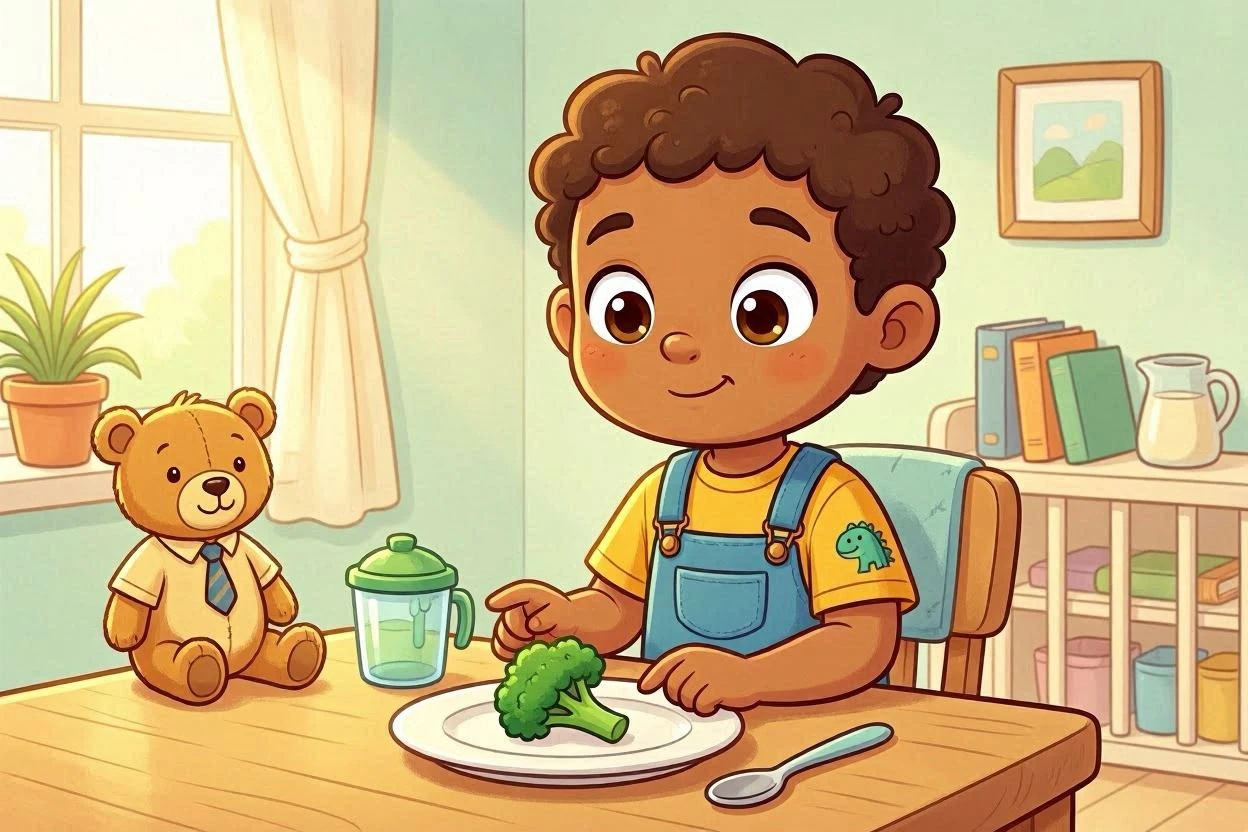
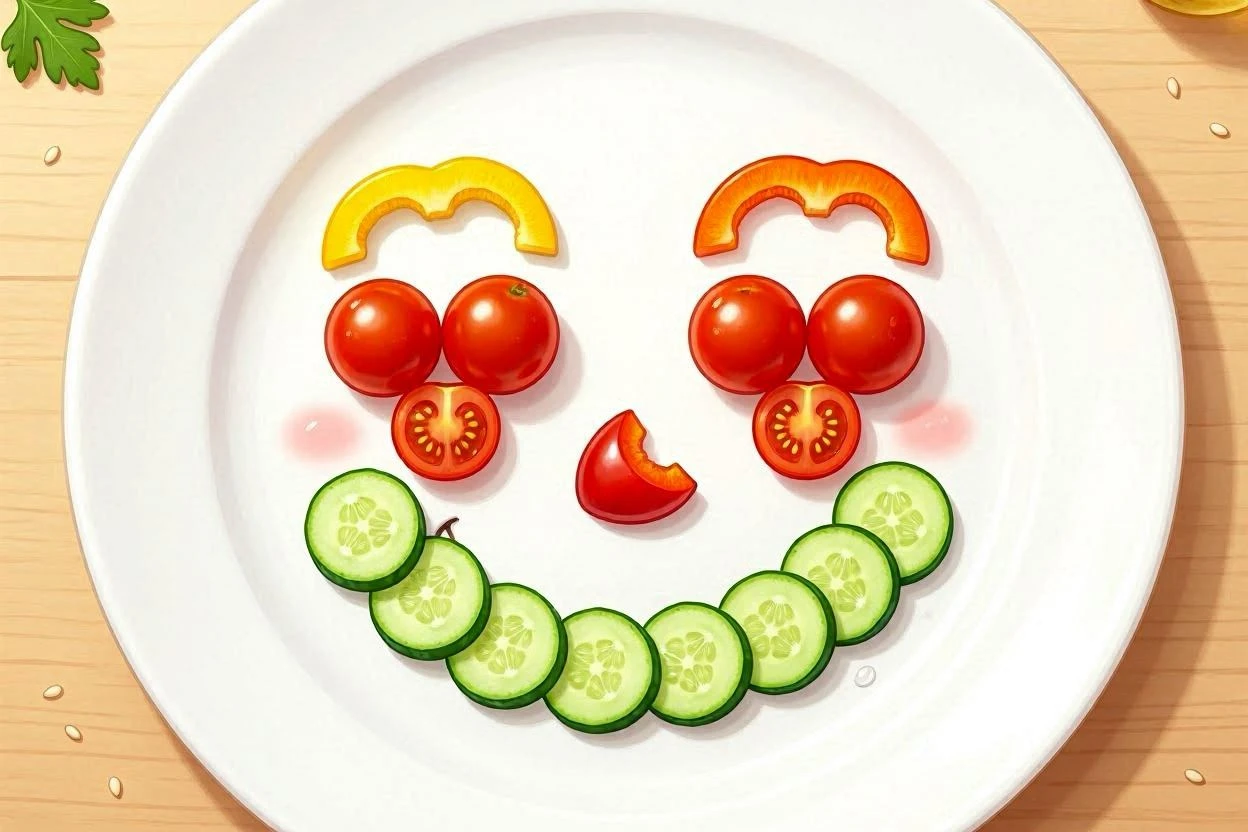
Above all else, the goal of introducing solids is to foster a positive, stress free environment where eating is associated with joy and discovery. Expect that in the beginning, more food will likely end up on their face, hands, and the floor than in their actual stomach. This messy exploration is a critical part of how babies learn about the world around them. They need to touch, smear, and feel the food to understand its properties before they are comfortable swallowing it. Sit with them, talk to them about the colors and tastes, and eat alongside them whenever possible so they can model your behavior. Keep the sessions short and sweet, ending the meal when they show signs of fullness or fatigue, ensuring that the high chair remains a happy, positive place for their future culinary adventures.